Keep Your OFYR Cooking Plate in Top Condition
OFYR HOME
To keep your OFYR performing beautifully, proper care is essential. Acidic ingredients can affect the cooking plate over time, yet with the right approach (and the right cookware) your OFYR remains protected and looking its best. Discover our simple care tips and enjoy a flawless cooking surface for many unforgettable moments outdoors.
&w=3840&q=75)
We’ve all been there: you're in the middle of cooking and decide to squeeze some lemon juice directly onto the hot cooking plate, or add a splash of vinegar to your sauce right on the stove. But be careful! Acidic ingredients like lemon, vinegar, and tomatoes can damage your cooking plate.
&w=3840&q=75)

Don’t do this at home
Why are acidic ingredients bad for your cooking plate?
Acids can damage the protective layer of your cooking plate, even with a black steel cooking plate, such as the ones from OFYR. This can lead to:
Corrosion and Rust – Acids like lemon juice, vinegar, and tomatoes can break down the protective layer of black steel, causing it to rust more quickly.
Unsightly Stains – Acids can cause stains and discoloration on the surface, affecting the appearance of your cooking plate.
Loss of Protective Layer – If the steel isn't properly seasoned and maintained with oil, acids can damage the natural non-stick coating.
The Solution? Always use a Pan!
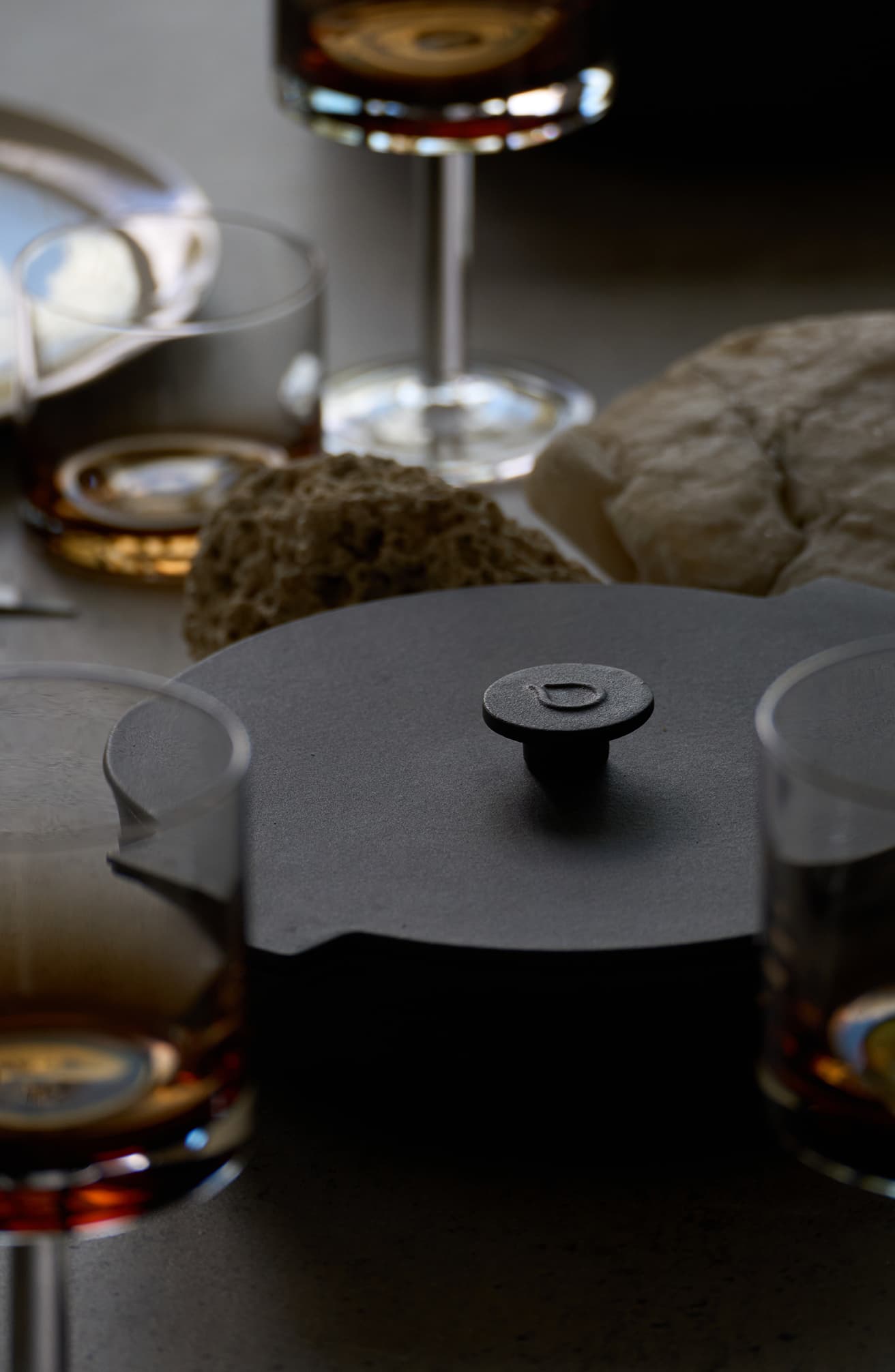
To prevent damage, we recommend heating acidic ingredients only in a pan. This will keep your cooking plate protected and maintain its beautiful appearance. Our Staub cookware sets and Cast Iron Casserole set are perfect for these types of preparations. These pans are not only resistant to acidic ingredients, but they also distribute heat optimally. Win-win!
&w=3840&q=75)
&w=3840&q=75)

How to keep your cooking plate in top condition?
In addition to avoiding direct contact with acidic ingredients, there are a few simple tricks to keep your cooking plate in top shape:
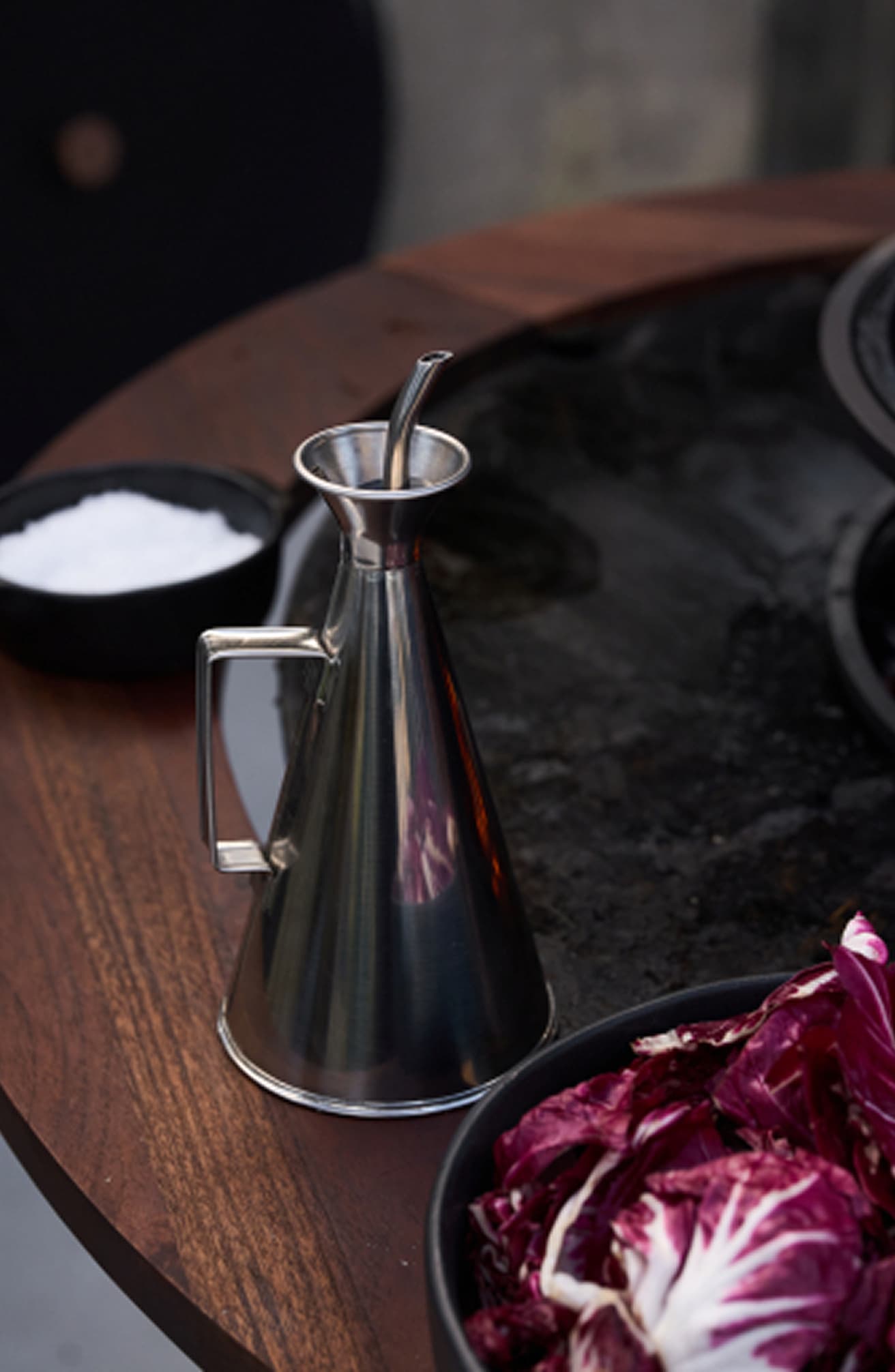
Oil! A black steel cooking plate requires regular maintenance to prevent rust and wear. By oiling your plate with a neutral oil such as linseed oil or vegetable oil, you create a protective layer against dirt and damage. This helps prevent rusting and gives it a nice shine.
Clean Regularly. Don’t let burned-on food sit for too long, and use a soft cloth or brush to clean your cooking plate. Avoid abrasive cleaners, as they can damage the surface.
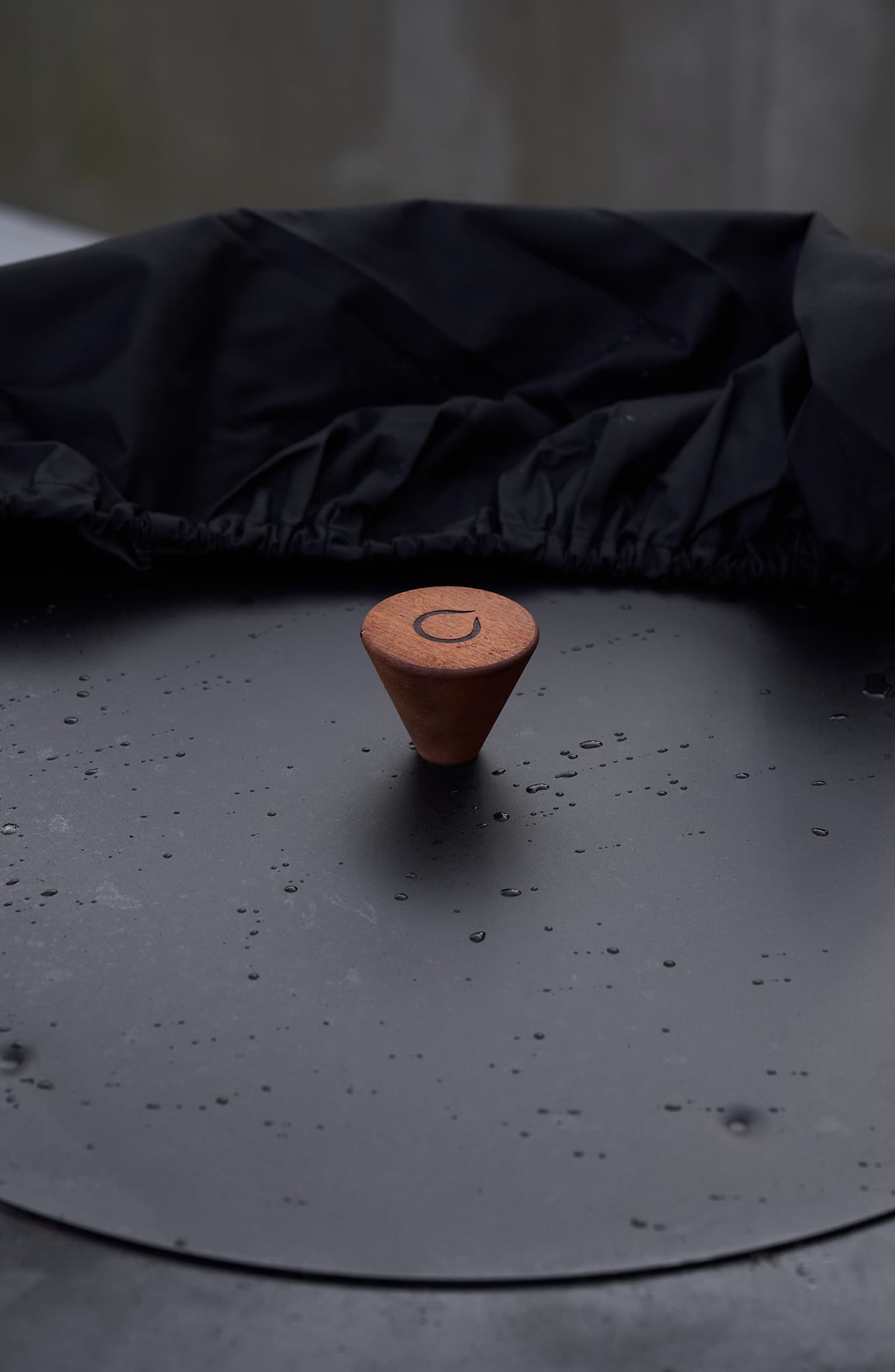
Cover the cooking plate. When your cooking plate isn’t in use, protect it with a cover or soft cover. This prevents dust, dirt, and scratches, keeping your cooking plate in excellent shape even when it’s not used daily.
By following these simple tips, your cooking plate will stay in top condition for years, and you’ll avoid unnecessary damage. And let’s be honest, cooking is so much more fun when your outdoor kitchen looks perfect!
Do you have any handy tips or experiences with maintaining your cooking plate? Let us and all other OFYR lovers know via social media by using #LetsOFYR!